What Is Rope Access? A Simple Guide for Building Owners in Dubai
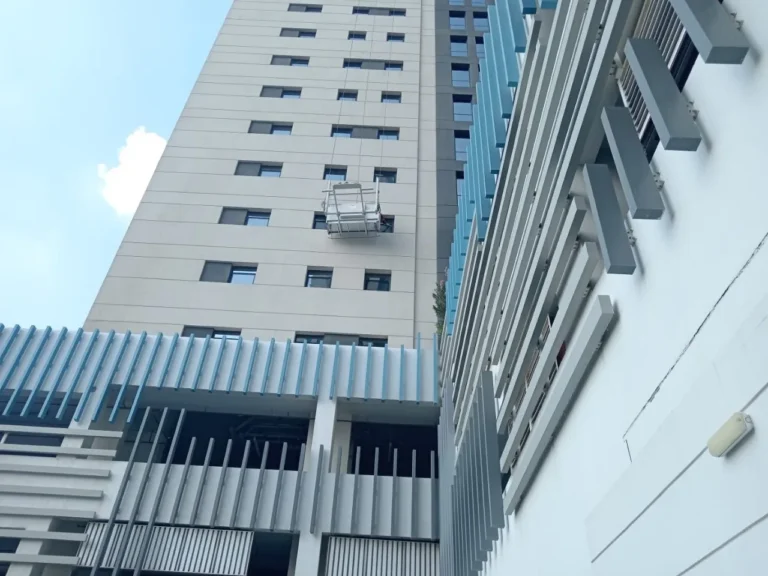
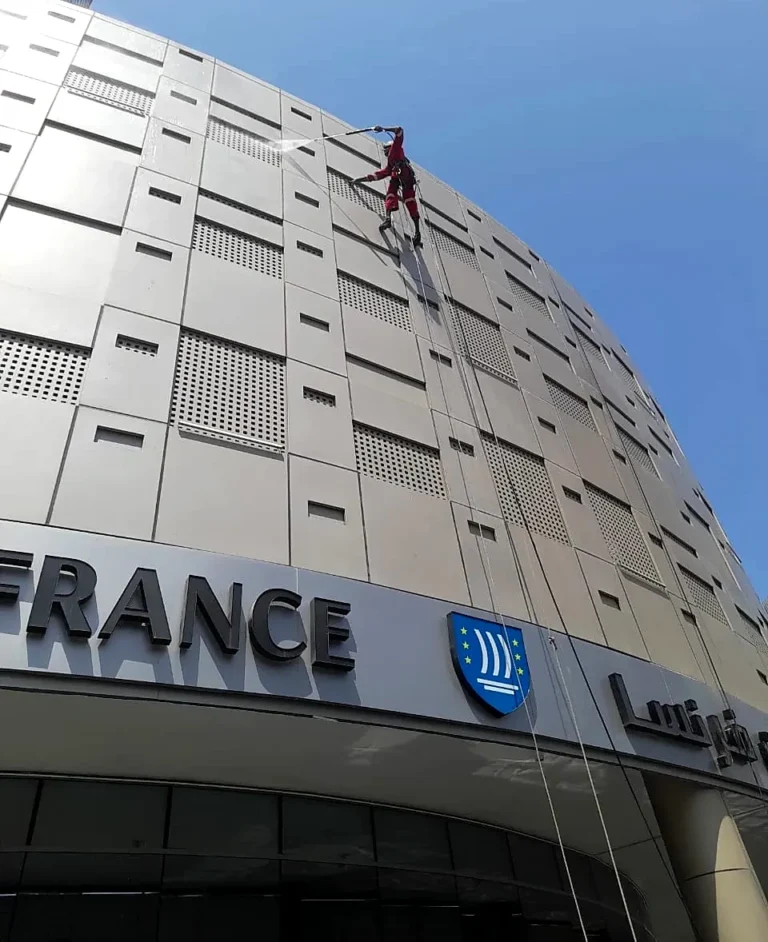
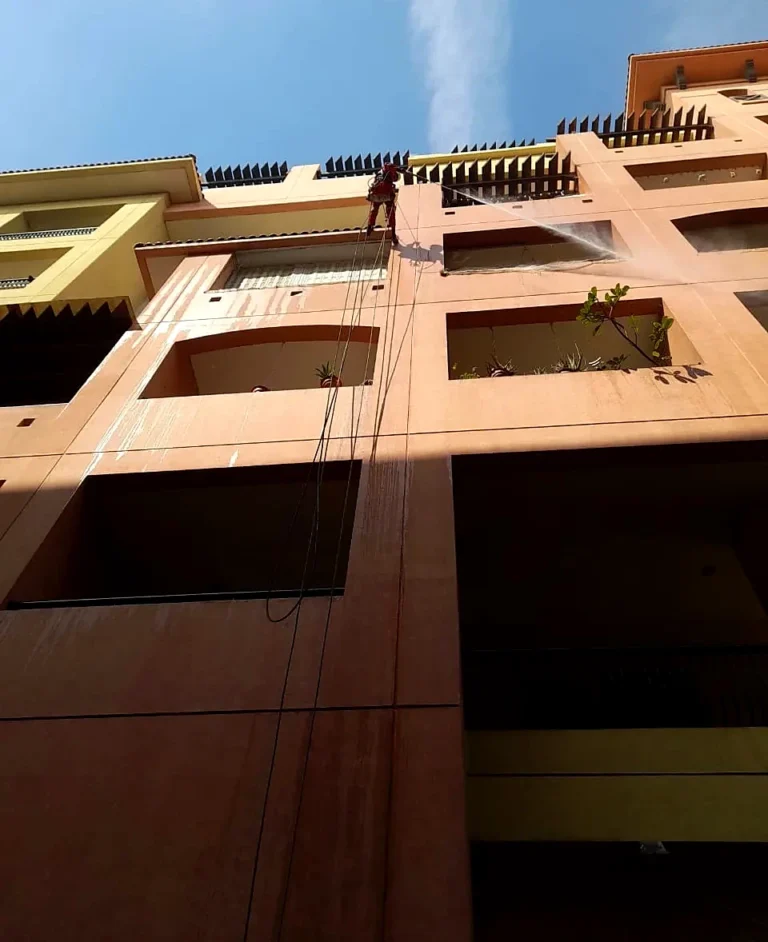
Short answer: rope access is a way of working at height where trained technicians hang from two independent ropes anchored to the roof or structure, using harnesses and specialist devices to move up, down and across a building. It is used for facade cleaning, inspections, sealant work, glass replacement, painting and repairs, and it avoids the cost and disruption of scaffolding.
If you have ever seen technicians on ropes outside a tower in Dubai, that is rope access. It developed from caving and climbing techniques and is now a regulated industrial method with its own training and safety standards.
How rope access works
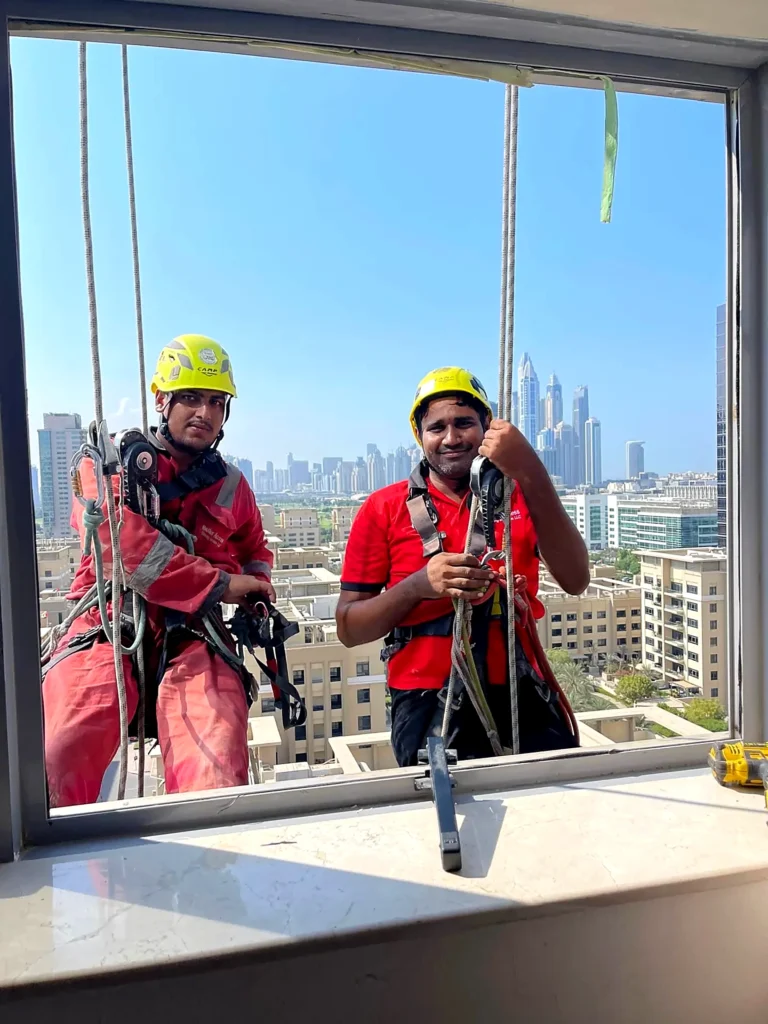
Every technician uses two separate ropes, each attached to its own anchor:
- Working line: the rope the technician hangs from and moves on, using a descender to go down and ascenders to climb.
- Safety (backup) line: a second rope with a back-up device that locks automatically if the working line or equipment fails.
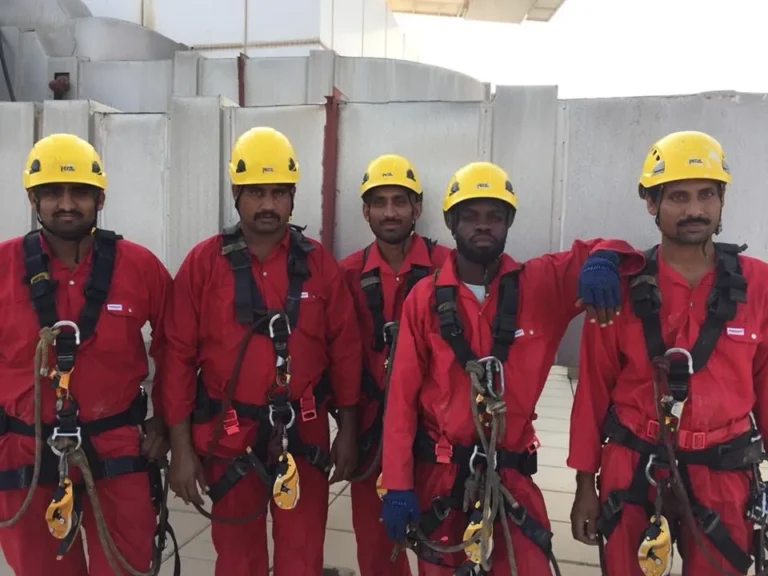
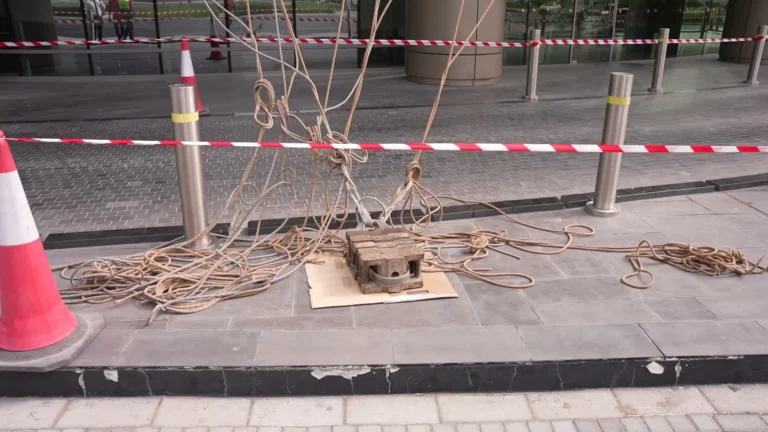
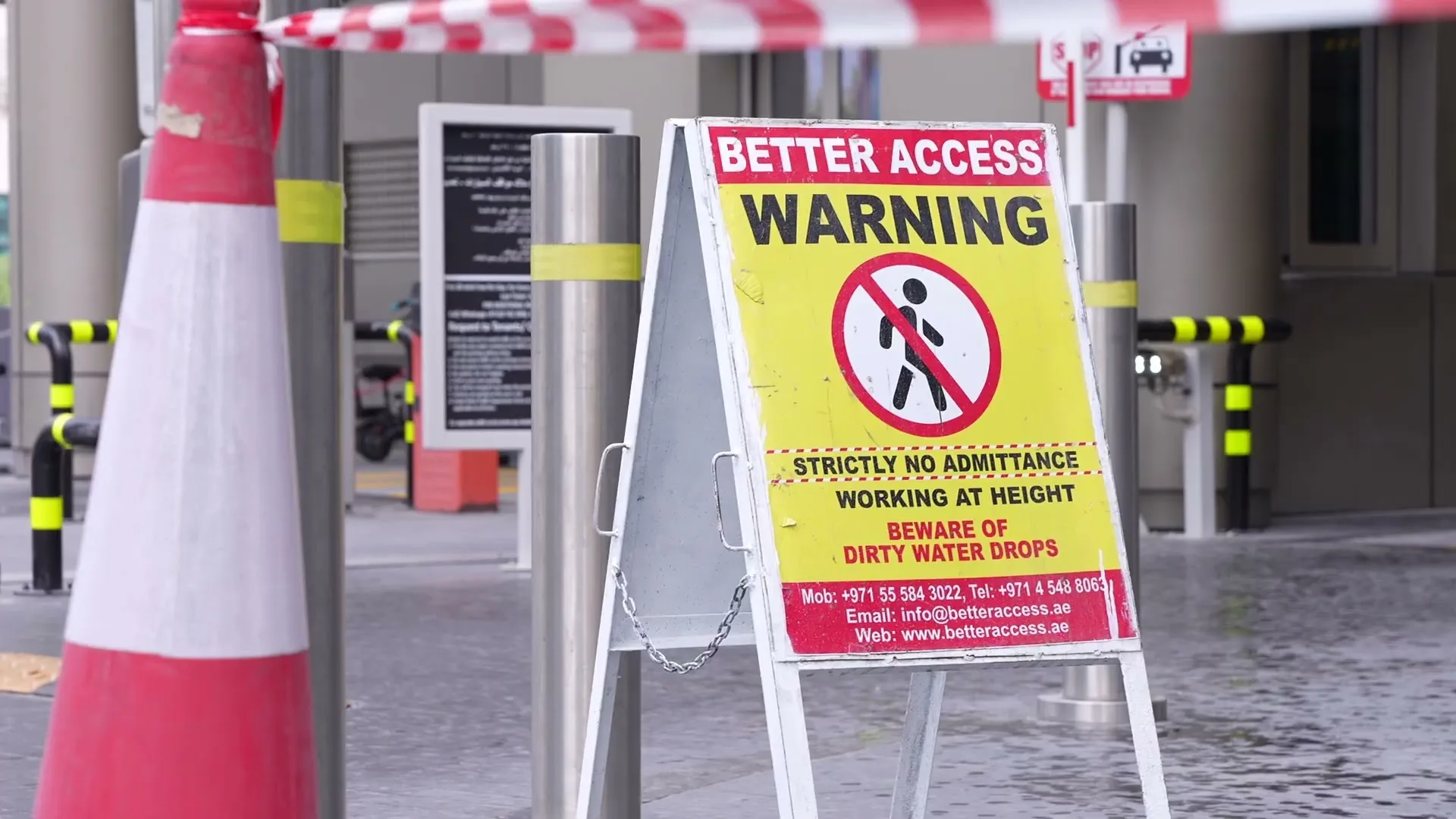
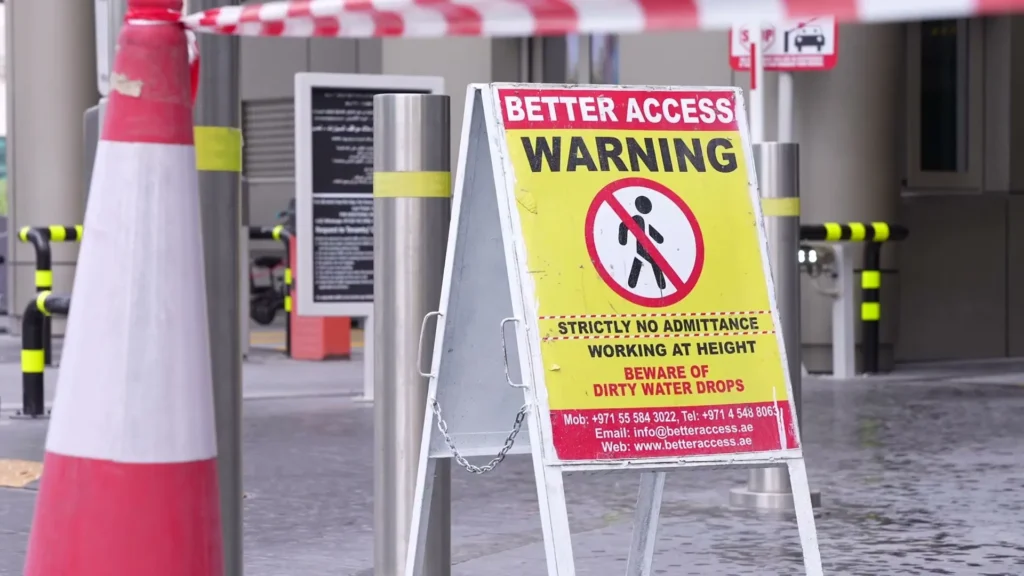
Technicians wear full-body harnesses and helmets, and tether every tool so nothing can fall. Work is planned by a supervisor, anchors are checked before use, the area below is cordoned off, and a rescue plan is in place before anyone goes over the edge.
Training and certification
The best-known rope access scheme is IRATA (Industrial Rope Access Trade Association), with three levels:
| Level | Role |
|---|---|
| Level 1 | Technician who works under supervision |
| Level 2 | Experienced technician who can rig and carry out rescues |
| Level 3 | Supervisor responsible for planning, safety and rescue on site |
Each level requires training, assessment and logged hours. Certificates must be renewed regularly. When hiring, ask to see the certificates of the team and the supervisor who will be on your building.
What rope access is used for
- Window and facade cleaning
- Facade inspections and condition surveys
- Sealant and gasket replacement
- Glass and panel replacement (within safe weight limits)
- Painting and coating
- Facade lighting and signage installation
- Bird control installation
- Leak investigation and water testing
- Concrete and cladding repairs
Rope access compared with other methods
| Method | Set-up | Best for |
|---|---|---|
| Rope access | Fast | Short jobs, complex shapes, inspections, hard-to-reach areas |
| BMU | Already installed | Routine cleaning of towers designed for it |
| Temporary cradle | Slower | Longer jobs with heavier materials |
| Scaffolding | Slowest | Major refurbishment at lower heights |
| Boom lift | Fast | Low-rise buildings with ground access |
The choice depends on the job, building shape, materials and duration. Many buildings use a mix: BMU or cradles for routine work and rope access for everything else.
Is rope access safe?
When carried out by certified technicians following recognised procedures, rope access has a strong safety record. The two-rope system means a single failure does not lead to a fall. The risks come from poor practice: untrained workers, unchecked anchors, damaged equipment, working in high winds, or no rescue plan. That is why certification and supervision matter more than price.
Why building owners choose rope access
- Lower cost for short and medium jobs, because there is no scaffold to erect
- Speed: teams can start within hours of arriving
- Minimal disruption to tenants, traffic and entrances
- Reach: atriums, crowns, curved facades and set-backs that machines cannot reach
- Inspection value: technicians see the facade at arm’s length on every drop
What building managers need to provide
- Roof access and a safe route to anchor points
- Certified anchors or approved structures for rigging
- Permission to cordon off areas at ground level
- Notices to tenants on affected elevations
- Access to water and power if required
Our rope access services cover cleaning, inspection and repairs on buildings across Dubai, including facade cleaning and facade maintenance.
Questions people ask about rope access
How do rope access technicians get to the start point?
They rig from the roof using anchors, then descend. Some jobs are rigged from balconies or intermediate levels where approved.
What is the difference between rope access and abseiling?
Abseiling is the act of descending on a rope. Rope access is a full working system with two ropes, ascending and descending, positioning, rescue and strict procedures.
How high can rope access go?
There is no fixed height limit; it is used on some of the tallest buildings in the world. Wind and rope length are planned for each job.
Can rope access be used in summer in Dubai?
Yes, with early starts, shaded elevations, hydration breaks and compliance with the midday outdoor work break.
Is rope access cheaper than a cradle?
For short jobs and isolated repairs, usually yes. For long, heavy work on one elevation, a cradle can be more economical.
Do tenants need to leave during rope access work?
No. Tenants are usually just informed, and areas below the work are cordoned off.
FREE SITE INSPECTION
Need work done at height?
Our IRATA-trained rope access team cleans, inspects and repairs buildings across Dubai without scaffolding. Message us on WhatsApp for a quote.